Basics of Trading: Complete Guide to Market Operations
Trading vs Investing: Understanding the Fundamental Difference
Before diving into trading mechanics, it's crucial to understand how trading differs from investing. This distinction shapes every aspect of your market approach, from time horizon to risk management.
Key Differences:
- Trading: Buying and selling securities to profit from short-term price movements
- Investing: Buying securities for long-term wealth creation
- Time Horizon: Trading: Minutes to months | Investing: Years to decades
- Risk Level: Trading: Higher risk, active management | Investing: Moderate risk, passive approach
- Analysis Focus: Trading: Technical analysis | Investing: Fundamental analysis
What is Trading?
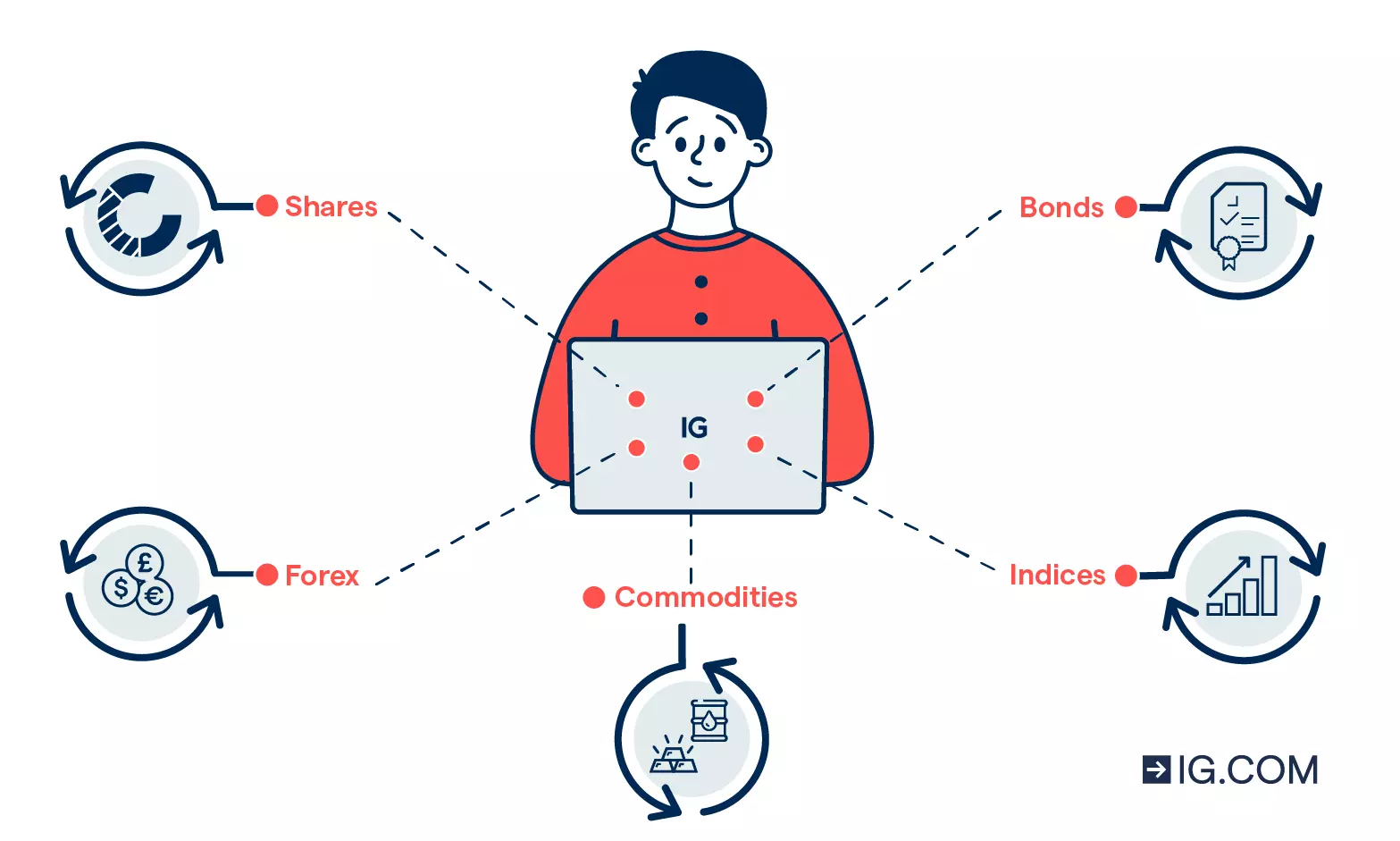
Trading involves the strategic buying and selling of financial instruments like stocks, derivatives, currencies, and commodities to profit from price fluctuations. Unlike investing, trading focuses on capitalizing on short-term market movements through active position management.
Evolution of Trading in India:
- 1990s: Open outcry system on exchange floors
- 2000s: Introduction of electronic trading
- 2010s: Retail participation boom
- 2020s: Mobile trading and algorithm-assisted tools
Types of Trading Styles
1. Scalping
Ultra-short-term trading involving multiple trades within minutes or hours.
Characteristics:
- Trade duration: Seconds to minutes
- Profit per trade: Small (0.1% to 0.5%)
- Volume: High number of trades daily
- Risk: Low per trade, high cumulative
- Capital requirement: High (for meaningful profits)
Requirements for Scalping:
- Lightning-fast execution platform
- Real-time market data
- Strong internet connection
- Deep market knowledge
- Exceptional focus and discipline
2. Day Trading
Buying and selling securities within the same trading day, with no positions held overnight.
Day Trading Example:
- Morning 9:30 AM: Buy 500 shares of Infosys at ₹1,400
- Afternoon 2:00 PM: Sell 500 shares at ₹1,425
- Profit: ₹25 × 500 = ₹12,500 (before charges)
- Risk: Limited to intraday movements
Day Trading Characteristics:
- High time commitment (6+ hours daily)
- Quick decision-making required
- No overnight risk exposure
- High stress and emotional intensity
- Requires significant capital for decent returns
3. Swing Trading
Holding positions for several days to weeks, capturing medium-term price movements.
Swing Trading Benefits:
- Less time-intensive than day trading
- Suitable for working professionals
- Can capture larger price movements
- Lower transaction costs
- More time for analysis and decision-making
Typical Swing Trade:
- Duration: 3-15 days
- Analysis: Combination of technical and fundamental
- Risk: Overnight and weekend exposure
- Target: 3-10% price movement
4. Position Trading
Long-term trading approach, holding positions for weeks to months.
Position Trading Features:
- Similar to investing but more active
- Focus on major trend movements
- Lower frequency of trades
- Requires patience and conviction
- Less affected by daily market noise
Essential Trading Concepts
Market Orders vs Limit Orders
Market Order
- Definition: Executes immediately at current market price
- Advantage: Guaranteed execution
- Disadvantage: Price not guaranteed
- When to use: When immediate execution is priority
Limit Order
- Definition: Executes only at specified price or better
- Advantage: Price control
- Disadvantage: Execution not guaranteed
- When to use: When price precision matters
Order Types in Indian Markets
1. Regular Orders
- Market Order: Immediate execution
- Limit Order: Price-specific execution
- Stop-Loss Order: Risk management tool
2. Advanced Orders
- Cover Order: Market order with mandatory stop-loss
- Bracket Order: Three-leg order with target and stop-loss
- After Market Order (AMO): Place orders outside market hours
Bid and Ask Dynamics
- Bid: Highest price buyers are willing to pay
- Ask: Lowest price sellers are willing to accept
- Spread: Difference between bid and ask prices
- Last Traded Price (LTP): Most recent transaction price
Market Depth Example:
- Bid: ₹1,599.50 (Qty: 100)
- Ask: ₹1,600.00 (Qty: 150)
- Spread: ₹0.50
- LTP: ₹1,599.75
Volume and Liquidity
Understanding Volume
Volume refers to the number of shares traded in a given period. It's a crucial indicator of market interest and liquidity.
High Volume Indicates:
- Strong institutional interest
- Better liquidity (easier entry/exit)
- More reliable price movements
- Tighter bid-ask spreads
- Stronger conviction in price direction
Volume Analysis:
- Rising price + High volume: Strong bullish momentum
- Falling price + High volume: Strong bearish momentum
- Price movement + Low volume: Weak/temporary move
- Breakout + High volume: Reliable breakout
Trading Instruments in Indian Markets
Cash Segment (Equity)
Characteristics:
- Direct ownership of company shares
- T+2 settlement cycle
- No expiry dates
- Delivery-based or intraday trading
- SEBI regulated and monitored
Derivatives Segment
Futures
- Definition: Contracts to buy/sell at predetermined price on future date
- Margin: Only partial payment required
- Leverage: High exposure with limited capital
- Expiry: Last Thursday of every month
Options
- Call Options: Right to buy at specific price
- Put Options: Right to sell at specific price
- Premium: Cost of purchasing option
- Limited Risk: Maximum loss = premium paid
Currency Trading
- Trade major currency pairs (USD/INR, EUR/INR, GBP/INR, JPY/INR)
- Lower margin requirements
- Extended trading hours
- Regulated by SEBI and RBI
Commodity Trading
- Agricultural: Wheat, rice, sugar, cotton
- Metals: Gold, silver, copper, aluminum
- Energy: Crude oil, natural gas
- Exchanges: MCX, NCDEX
Setting Up for Trading
Choosing a Trading Platform
Key Features to Consider:
- Speed and Reliability: Critical for active trading
- Advanced Charting: Essential for technical analysis
- Order Management: Variety of order types
- Real-time Data: Live market feeds
- Mobile Access: Trade on the go
- Research Tools: Built-in analysis capabilities
Popular Trading Platforms in India
- Zerodha Kite: User-friendly, comprehensive features
- Upstox Pro: Advanced charting and speed
- Angel One: Research and advisory services
- 5paisa: Cost-effective with good tools
- ICICI Direct: Full-service with banking integration
Understanding Trading Costs
Brokerage Structure
Discount Brokers:
- Flat fee per trade (₹10-20)
- No additional services
- Self-directed trading
- Lower overall costs
Full-Service Brokers:
- Percentage-based brokerage (0.1-0.5%)
- Research and advisory services
- Relationship managers
- Higher costs but more support
Other Trading Charges
- STT (Securities Transaction Tax): 0.1% on delivery, 0.025% on intraday
- Exchange Charges: NSE/BSE fees
- SEBI Charges: ₹10 per crore of turnover
- Stamp Duty: 0.015% on buy transactions
- GST: 18% on brokerage and other charges
Risk Management in Trading
Position Sizing Principles
- Never risk more than 1-2% of capital per trade
- Calculate position size based on stop-loss distance
- Adjust size based on market volatility
- Maintain maximum portfolio heat of 6-8%
Stop-Loss Strategies
Types of Stop-Losses:
- Fixed Percentage: Set percentage below entry
- Technical Level: Based on support/resistance
- Volatility-Based: Using Average True Range (ATR)
- Time-Based: Exit after specific time period
Common Trading Strategies
1. Trend Following
- Identify market direction and trade accordingly
- Use moving averages and trend indicators
- Buy in uptrends, sell in downtrends
- Works well in trending markets
2. Range Trading
- Buy at support levels, sell at resistance
- Effective in sideways markets
- Requires clear support/resistance levels
- Risk management through stop-losses
3. Breakout Trading
- Trade when price breaks significant levels
- Volume confirmation important
- Can capture strong directional moves
- Watch for false breakouts
4. News-Based Trading
- Trade around earnings, events, announcements
- Requires quick execution
- High volatility and opportunity
- Significant risk of adverse movements
Trading Psychology Basics
Mental Preparation
- Accept Losses: They're part of trading
- Stay Disciplined: Follow your plan consistently
- Manage Emotions: Don't let fear or greed decide
- Think Probabilistically: Focus on edge over time
Common Psychological Pitfalls
- FOMO (Fear of Missing Out): Chasing trades
- Revenge Trading: Trying to recover losses quickly
- Overconfidence: Taking excessive risks after wins
- Analysis Paralysis: Overthinking and missing opportunities
Building Your Trading Foundation
Step-by-Step Approach
- Education First: Study markets and trading thoroughly
- Paper Trading: Practice without real money
- Start Small: Begin with minimal position sizes
- Develop Strategy: Create systematic approach
- Risk Management: Implement strict rules
- Track Performance: Maintain detailed records
- Continuous Learning: Adapt and improve constantly
Success Metrics
- Win Rate: Percentage of profitable trades
- Risk-Reward Ratio: Average win vs average loss
- Maximum Drawdown: Largest peak-to-trough decline
- Sharpe Ratio: Risk-adjusted returns
- Consistency: Regular, steady performance
Technology and Tools
Essential Trading Tools
- Charting Software: TradingView, Kite web
- Scanners: Find trading opportunities
- News Feeds: Real-time market updates
- Economic Calendar: Track important events
- Portfolio Tracker: Monitor positions and P&L
Algorithmic Trading
- Automated execution based on predefined rules
- Removes emotional decision-making
- Requires programming knowledge
- Growing popularity among retail traders
Remember: Successful trading combines technical knowledge, emotional discipline, and practical experience. Start with solid education, practice extensively, and build your skills systematically. The goal is consistent profitability over time, not quick riches.
Tags
Related Articles
Master Prop Trading in India: Complete Legal Framework & Guide
Everything you need to know about prop trading in India, from SEBI compliance to evaluation processes. Learn how FundedVix and similar firms operate legally while providing trading opportunities.
Read more →Risk Management Mastery: The Foundation of Trading Success
Master essential risk management principles that separate successful traders from the rest. Learn position sizing formulas, stop-loss strategies, and portfolio management techniques used by professionals.
Read more →